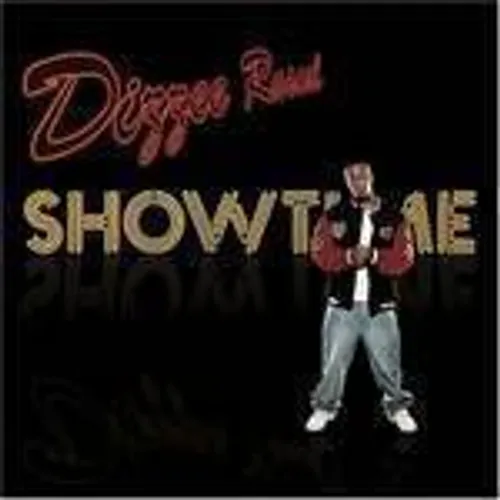
Showtime
Tracklist
More Details
But some folks in the US aren't even sure he's an MC. Lacking the instamatic racial rationale that allowed them to file the Streets' Mike Skinner under "World Music-Other," many Yank hip-hop heads met Boy in Da Corner with the same premature disses ("noisy," "incoherent," "unmusical") oldsters hauled out for It Takes a Nation of Millions... a decade and a half ago. As with Public Enemy, the clamor coheres if you give it a chance, because like PE what's disorienting about this apparently tuneless jumble is that it actually contains too many hooks for your ears to catch. And Dizzee's sweet keyboard melodies-subdued silent-movie pipe-organ beneath the Orientalisms of "Learn," a Depeche Mode imitation on "Stand Up Tall"-trickily distract you from recognizing that the real tunes are in the beats.
And again like PE, the sound of a voice rings through this chaos. Dizzee's not authoritarian (and iconic) like Chuck or comic (and iconic) like Flav. Or maybe he's both-plus quizzical, frantic, desperate, horny. Everything but iconic-his darting cadence is too naturally playful, and he's relentlessly himself in spite of himself. When Dizzee makes with the tough talk ("I'll punch in you in the nostrils"-um, ouch?), his every self-justification further strips away his defenses to reveal the in-se-kurr-ity beneath. When he grunts "You people are gonna respect me if it kills you" through clenched teeth, he sounds more desperate than menacing.
But that just adds texture and complexity to his narrative myth, and the happy flipside is that his moments of enthusiasm sound genuine rather than corny. On "Hard Knock Life" and "I Can" (respectively), Jay-Z and Nas enlisted kiddie choruses because they wanted to be more likeable. But on "Dream," which samples the children's choir from Captain Sensible's Rodgers and Hammerstein-indebted "Happy Talk," Dizzee sounds at times like just one of the kids, warbling "If you don't have a dream, how you gonna have a dream come true?" Sure, becoming the British Jay-Z would be Dizzee's fairy tale ending, but for now his ambition is fuel enough for his art, and that's what counts. "Stay ghetto if you must but remember to get out," he rhymes elsewhere. After all he doesn't want to be the only one to live happily ever after.
But some folks in the US aren't even sure he's an MC. Lacking the instamatic racial rationale that allowed them to file the Streets' Mike Skinner under ""World Music-Other,"" many Yank hip-hop heads met Boy in Da Corner with the same premature disses (""noisy,"" ""incoherent,"" ""unmusical"") oldsters hauled out for It Takes a Nation of Millions... a decade and a half ago. As with Public Enemy, the clamor coheres if you give it a chance, because like PE what's disorienting about this apparently tuneless jumble is that it actually contains too many hooks for your ears to catch. And Dizzee's sweet keyboard melodies-subdued silent-movie pipe-organ beneath the Orientalisms of ""Learn,"" a Depeche Mode imitation on ""Stand Up Tall""-trickily distract you from recognizing that the real tunes are in the beats.
And again like PE, the sound of a voice rings through this chaos. Dizzee's not authoritarian (and iconic) like Chuck or comic (and iconic) like Flav. Or maybe he's both-plus quizzical, frantic, desperate, horny. Everything but iconic-his darting cadence is too naturally playful, and he's relentlessly himself in spite of himself. When Dizzee makes with the tough talk (""I'll punch in you in the nostrils""-um, ouch?), his every self-justification further strips away his defenses to reveal the in-se-kurr-ity beneath. When he grunts ""You people are gonna respect me if it kills you"" through clenched teeth, he sounds more desperate than menacing.
But that just adds texture and complexity to his narrative myth, and the happy flipside is that his moments of enthusiasm sound genuine rather than corny. On ""Hard Knock Life"" and ""I Can"" (respectively), Jay-Z and Nas enlisted kiddie choruses because they wanted to be more likeable. But on ""Dream,"" which samples the children's choir from Captain Sensible's Rodgers and Hammerstein-indebted ""Happy Talk,"" Dizzee sounds at times like just one of the kids, warbling ""If you don't have a dream, how you gonna have a dream come true?"" Sure, becoming the British Jay-Z would be Dizzee's fairy tale ending, but for now his ambition is fuel enough for his art, and that's what counts. ""Stay ghetto if you must but remember to get out,"" he rhymes elsewhere. After all he doesn't want to be the only one to live happily ever after.
"