Formats and Editions
1. Dark Don't Hide It, The
2. Night Shift Lullaby, The
3. Leave the City
4. Hard to Love a Man
5. Give Somthing Else Away Every Day
6. Northstar Blues
7. Hammer Down
8. I Can Not Have Seen the Light
More Info:
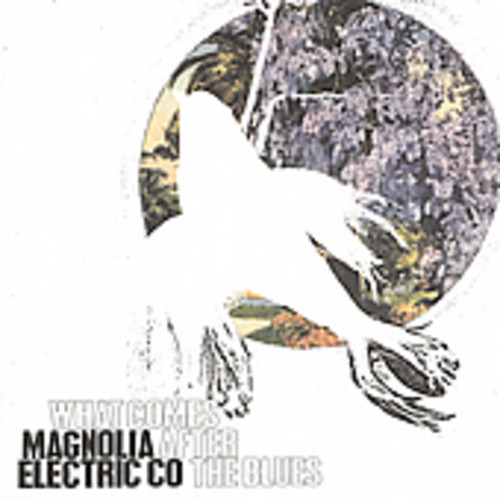
With WHAT COMES AFTER THE BLUES we enter a new era with Jason Molina. After seven full-length studio albums in as many years, each recorded using a revolving cast of players under the names Songs: Ohia, Molina has retired the name as well as his wayward days and settled in the a new consistent cast of players named the Magnolia Electric Co. Sonically, this isn't a huge departure from where Songs: Ohia was headed these past few years. "Jason Molina sounds like Neil Young if he'd been a counselor at Camp Bong Water. Molina has all the communal warmth of a bonfire sing-along, with vivid, often bloody tales of love and betrayal served with a twang and a smile - Details"
Reviews:
Songwriter Jason Molina's relentless shape-shifting is more than just an irksome quirk designed to keep tinnitus-plagued record-stockers alert: Molina's multi-faceted gloom requires an arsenal of faces, each twisted into a different shape of despair. Molina's narrators are alternately heartbroken and heartbreaking, perpetually wounded, yelping stories from both sides of the break-up divide.
What Comes After the Blues, Molina's seventh full-length, harkens back to the brooding, Neil Young-flavored country rock laments of Magnolia Electric Co., the final Molina-led Songs: Ohia album that confusingly (but appropriately) inspired this new venture's name. Forlorn and full of Midwestern despair, What Comes After the Blues is a arresting slice of classic Molina melancholy, all spiraling guitars and flannel-fueled disdain. Opener "The Dark Don't Hide It" (previewed on the recent live release Trials and Errors) features a sweet, rolling melody and loads of slide guitar, while folk dirge "The Night Shift Lullaby" nods to the rich musings of On the Beach (even guest vocalist/songwriter Jennie Benford's high, warbly coo seems preoccupied with channeling Young's nasal remorse). On "Leave This City," Molina mews geographic laments over a lone, yawping trumpet, nodding "It's true, it was a hard time that I come through/ It's made me thankful for the blues"-that Molina is grateful for sadness should come as no surprise, and What Comes After the Blues is enough to make us equally appreciative.